

Why running in still matters

A rebuilt engine has new piston rings in freshly honed bores, new bearings, and a new or reset timing drive. During the first hours of running, the rings bed into the cylinder walls and the moving parts settle against each other. How the engine is treated in this period affects oil consumption, blow-by, and how well it seals for the rest of its life.
The aim is moderate, varied load. Long periods at idle can glaze the bores before the rings have seated. Labouring the engine at low speed in a high gear puts heavy load on new bearings. Full throttle and high engine speeds before the parts have settled add heat and stress that a fresh engine does not need.
Before the first start
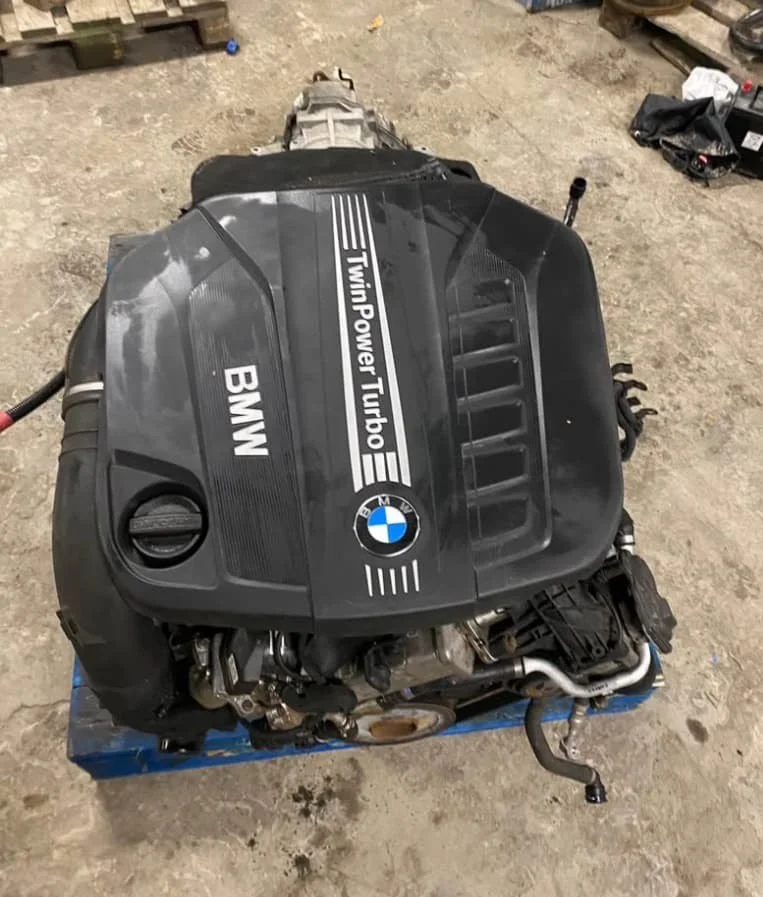
Fill the engine with the oil the rebuilder specifies. That is usually the grade carrying the BMW Longlife approval for that engine, though some builders prefer a dedicated running-in oil for the first interval. Fit a new oil filter, check the level, and confirm that every oil line, including the turbocharger feed and return on turbo engines, is connected and tight.
Prime the lubrication system before the engine fires. On most cars this means cranking with the fuel supply or the injectors disabled until oil pressure is confirmed, so that oil reaches the bearings, the chain tensioner, and the turbocharger before the engine carries any load. A dry start is one of the few ways to damage a fresh engine in seconds.
Fill and bleed the cooling system. Many BMW engines with an electric water pump have a bleeding routine that runs the pump with the ignition on, and the procedure for that model should be followed exactly. Trapped air can create a local hot spot in the cylinder head even while the temperature gauge reads normally.
The first start and the first twenty minutes

When the engine starts, watch the oil pressure warning first. It should go out within a few seconds. A brief rattle while the hydraulic chain tensioner fills can be normal; a rattle that persists is not. Look and listen for leaks at the oil filter housing, the sump, the turbocharger oil lines, and the coolant hoses while the engine warms.
Avoid letting the engine idle for long periods. Once oil pressure, coolant level, and temperature are confirmed, the engine should be put under gentle load. Read the fault memory with a diagnostic tool and clear the codes stored during installation. On diesels with replaced or moved injectors, the injector correction values must be coded to the engine control unit.
The first drives
Use the first drives to give the engine varied load. Accelerate moderately through the gears, let the engine speed rise and fall, and use engine braking on downhill stretches. Avoid long runs at one constant speed, and avoid using cruise control on the motorway for long periods. Let the engine reach operating temperature before asking it for more than light load.
Do not use full throttle or high engine speeds until the running-in distance set by the rebuilder has been covered. Avoid towing and heavy loads in the same period. Avoid pulling hard from very low engine speed in a high gear; changing down is kinder to new bearings than labouring the engine.
Diesel engines with a particulate filter need drives long enough for regeneration to complete. A rebuilt diesel used only for short trips during running in can load its filter quickly. Plan the early mileage to include regular longer journeys on open roads, varying the speed within moderate limits rather than holding one speed.
The first oil and filter change
The first oil change on a rebuilt engine comes much earlier than a normal service interval. The first oil carries assembly lubricant and the fine wear particles produced while the rings and bearings settle. The rebuilder sets the distance; follow that figure rather than the car’s service indicator, which does not know that the engine has been rebuilt.
Cut open or inspect the old filter element. A light grey sheen can be normal; flakes, bearing material, or chips are not. Check the oil level regularly through the whole running-in period. Oil consumption is often higher while the rings bed in and should settle afterwards. If it does not, raise it with the rebuilder early rather than late.
Keep a record
Write down the date and mileage of the first start, the oil and coolant used, the fault codes read, and every oil level check and top-up. Photograph the oil filter at the first change. A simple log takes minutes to keep and is the first thing a rebuilder or a warranty assessor will ask for if a question arises later.
Engines supplied by BMW Engine carry a warranty of up to 12 months on eligible internal failure after a correct installation by a workshop. Keep the installing workshop’s record, use the correct oil and coolant, and confirm oil pressure and temperature before the road test. Do not dismantle the engine without written approval if the warranty is to remain valid.
Signs to stop and check
Stop and investigate if the oil pressure warning comes on, if the temperature climbs above normal, if coolant is being lost, or if a knock appears that rises with engine speed. Blue smoke that persists after the engine is warm, milky oil, or oil in the coolant are also reasons to stop driving rather than wait for the running-in period to cure them.
Some symptoms are expected. A little extra oil consumption, a slight smell as assembly lubricant and sealant residue burn off the exhaust, and small changes in idle quality while the adaptations are learned can all appear in the first drives. When in doubt, ask the rebuilder before continuing, and describe what was seen and when it happened.
Warranty
Eligible engines carry a warranty of up to 12 months after a correct installation by a workshop. The warranty covers eligible internal failure. It does not cover a mismatched fitment, a dry start, the wrong oil, or damage caused after the crate is opened.
Shipping
Crane crates from Hamburg is a flat 299,00 €. The engine is packed for freight and delivered to the address on the order. A forklift or an engine crane is required at delivery. The shipment is arranged to the destination the buyer provides.
FAQ
Should synthetic oil be used to run in a rebuilt BMW engine?
Use the oil the rebuilder specifies. Many builders use the BMW-approved grade for that engine from the start, while others prefer a running-in oil for the first interval.
Can a rebuilt engine be driven on the motorway during running in?
Yes, but vary the speed and avoid long periods on cruise control at one constant speed. Varied, moderate load helps the rings bed in.
When should the first oil change be done?
At the distance the rebuilder specifies, which is far earlier than the normal service interval. Inspect the filter element at the same time.
Does running in include door-to-door delivery?
Yes. Shipping is a flat 299,00 € to the address on the order, from the workshop in Hamburg.
How long is the warranty?
Up to 12 months on eligible internal failure after a correct installation. The warranty page has the full terms.
Are the photographs of the engine being sold?
Yes. Covers and pictures in these guides are workshop photographs of listed engines, not generated pictures.


